

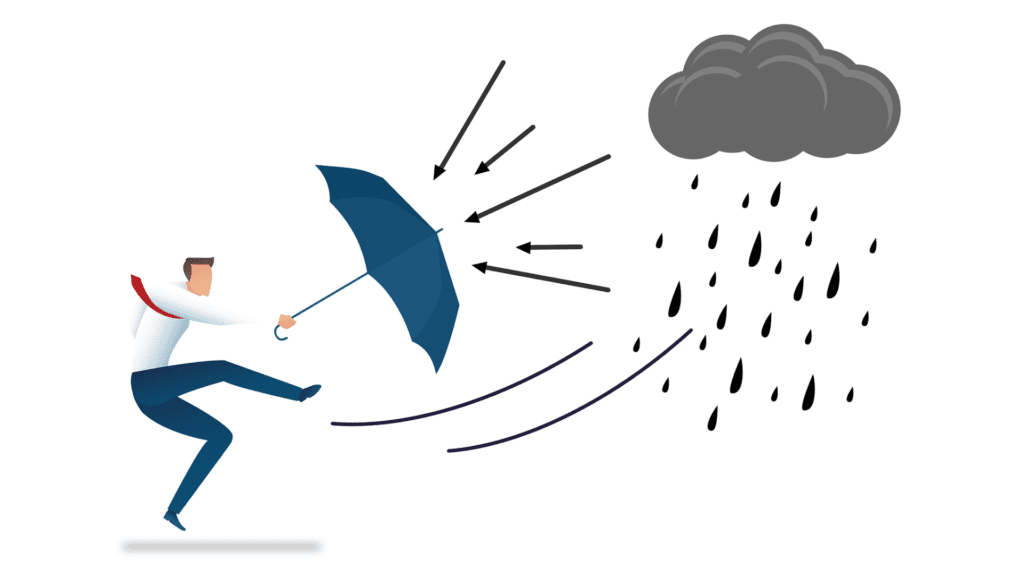
In today’s fast-paced world, many of us know the feeling of working tirelessly, chasing numbers, holding teams together, doing all the “right” things, and still feeling like it’s not enough. We’ve made the calls, followed up, stayed positive, and yet progress can stall.
Life adds pressure too: family crises, health scares, strained relationships, all while we navigate load-shedding, rising interest rates, political noise, and ongoing uncertainty.
If this resonates, it’s worth saying clearly, you are not broken. You’re operating in a high-pressure reality.
The truth about resilience
Resilience is often misunderstood as a personality trait, something you either have or don’t, when in fact, it is a set of skills that can be practiced, strengthened, and relied on when things get hard.
Pressure and the real problem
Pressure is part of sales. It comes from targets, competition, rejection, and constant comparison. In modern B2B environments, you’re not just selling products, you’re selling attention, confidence, and certainty to already overwhelmed clients.
Without a resilience plan, pressure starts to drive behaviour:
- Follow-ups get avoided because you’re depleted.
- Emails get overthought because anxiety creeps in.
- You say yes to the wrong prospects just to feel relief.
- Meetings replay in your head long after they end.
- A dip in the pipeline triggers a drop in confidence.
This isn’t a character flaw; it’s a collision of physiology, psychology, and workload.
What resilient sellers do differently
Resilient sellers don’t necessarily work harder; they work with more intention, relying on steady practices rather than motivation or hype. They reset faster when things go wrong, protect momentum during volatility, and structure their weeks so one bad call doesn’t derail everything.
They also understand the difference between intensity and effectiveness, and know that the two are not the same.
A practical resilience framework
Through my work with sales teams, I’ve found resilience to be most effective when approached practically.
Here’s a simple four-part framework:
Body
Your nervous system is your operating system. If you’re running on adrenaline and caffeine, you may cope, until you can’t. Resilient sellers use fast physical resets to regain calm and focus before calls and meetings.
Mind
Resilience isn’t about positive thinking; it’s about clear thinking. It starts with an honest assessment of reality and the ability to focus on what you can actually control.
Mission
A shaky pipeline can shake your sense of purpose. A clear mission acts as an anchor, turning setbacks into feedback and keeping you committed, even when results are delayed.
Rhythm
Often overlooked, rhythm protects you when motivation dips. It’s your weekly cadence, your non-negotiables, and the structure that sustains consistent activity in unpredictable markets.
Why this matters
In my keynote work, I sometimes reference my own experiences with grief and serious illness, not for sympathy, but to underline a simple truth: life doesn’t pause while your pipeline stabilises.
What matters is whether you have a repeatable way to reset, protect momentum, and make better decisions under pressure.
Your clients feel your emotional state. Your team notices your tone. Over time, your results are shaped far more by consistency than by raw talent.
Resilience isn’t a vibe; it’s a practice, and like any practice, it can be learned, strengthened, and relied upon when it matters most.
If you’re an ISP member, you can rewatch Shelley’s webinar: ‘Resilience you can use. Staying sales strong when it is tough‘ here.
Not yet a member? Join as an Affiliate and watch three webinars for free!

Written by Shelley Walters
Shelley Walters is the Founder and CEO of The Sales Counsel. She equips sales teams to perform under pressure with practical skills, clear cadences, and real-world tools. Shelley has led programmes for Volkswagen Middle East, Bidvest Automotive, Old Mutual, and others, and is a recipient of the PSASA Educator Hall of Fame award.