

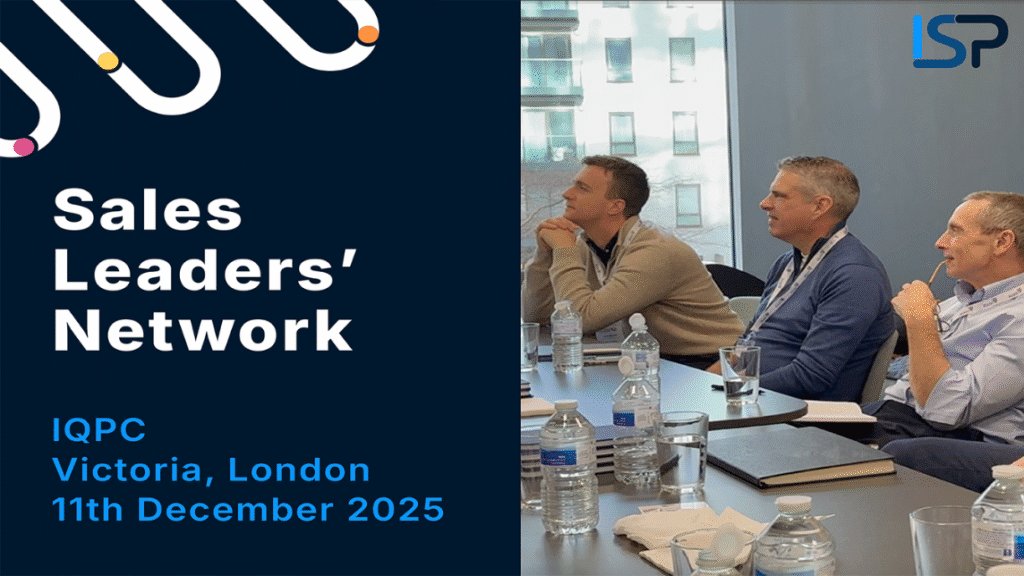
The latest Sales Leader Network event featured Adam Gray and Tim Hughes from DLA Ignite, both leading voices in social selling. This interactive workshop explored how personal branding and social engagement can transform sales effectiveness and strengthen organisational reputation. Attendees had the opportunity to ask questions and share experiences, making it a highly practical and collaborative session.
Objectives
The session aimed to uncover:
- How personal brand drives trust, visibility and influence with customers
- The evolving expectations of buyers and how they respond to sales professionals’ profiles
- How organisations can empower their people to build reputations that strengthen the corporate brand
Questions explored
- What is personal brand and why does it matter?
- What elements make up personal brand?
- How does personal brand impact sales effectiveness?
- How can organisations encourage salespeople to invest in their personal brand?
- What is the impact of sellers’ collective personal brand on a company’s brand?
Key insights for sales leaders
Behavioural change across the team
Social selling is not just about understanding concepts, it is about embedding new behaviours across the organisation. Knowledge alone does not deliver results; consistent action does. This requires leadership commitment and cultural alignment.
Authenticity and expertise build trust
Buyers expect credibility and genuine insight, not scripted outreach. To gain trust, salespeople must post authentically and demonstrate expertise. A strong personal brand signals authority and makes every interaction more meaningful.
Your profile is your shop front
A sales professional’s LinkedIn profile should tell their story, from the headline to the “About” section. This is your opportunity to create the best possible shop front for buyers. It should reflect who you are, what you stand for and why you are credible in your field.
Personal brand strengthens organisational brand
Personal branding does not subtract from the company brand; it amplifies it. As discussed, “It is hard to fall in love with a company, but you can fall in love with a person.” When individuals build authentic reputations, they make the organisation more relatable and trustworthy.
Leadership sets the tone
Senior leaders must lead by example on LinkedIn, as their visibility and authority can open doors. Organisations that model best practice from the top, create a culture where social engagement thrives.
Action starts now
Practical steps such as rewriting LinkedIn headlines to reflect who you are and not just what you do, help salespeople move from theory to practice. Organisations should provide clear guidance and frameworks to make adoption easier, ensuring that social selling becomes a team-wide behaviour rather than an individual effort.
Conclusion
Social selling is not a standalone tactic; it is a cultural shift that requires full organisational buy-in, authentic branding and team-wide commitment. Sales leaders play a critical role in driving this change. Organisations that embrace these principles strengthen their brand, build trust and create sustainable growth.