



In many organisations, the transition into management follows a pattern that is both familiar and fundamentally flawed. An employee performs well in their role, demonstrates technical competence and reliability, and is rewarded with promotion into a management position. On the surface, this progression appears logical. Strong performers are trusted with greater responsibility. Yet the moment someone moves from individual contributor to manager, the nature of their work changes fundamentally. What made them successful in their previous role rarely prepares them for the demands of leading people.
This tension sits at the centre of one of the most persistent leadership challenges organisations face. Research from the Chartered Management Institute has long highlighted the prevalence of what it describes as the ‘accidental manager’: individuals promoted into leadership roles without formal preparation for managing people (CMI, 2015). Although the concept was first widely discussed more than a decade ago, the issue remains highly relevant today. Many professionals still enter management roles with little structured support in areas such as handling difficult conversations, managing performance or navigating complex team dynamics. The assumption that leadership skills will simply emerge through experience continues to shape how organisations develop managers.
The consequences of this assumption are often underestimated. Management capability plays a far greater role in organisational performance than many organisations realise. Research from the Chartered Institute of Personnel and Development has repeatedly emphasised the central importance of management quality in shaping employee engagement, retention and productivity. When management capability is strong, employees are more likely to feel supported, motivated and able to perform at their best. When management capability is weak, the opposite occurs. Poor management has been linked to increased turnover, disengagement and declining team performance, even within otherwise well-functioning organisations (CIPD, 2023).
Yet despite this evidence, many organisations continue to invest disproportionately in leadership development at senior levels while giving far less attention to the first step into management. This is a critical oversight. First-line managers occupy a uniquely influential position within organisations. They translate strategy into everyday work, shape the culture of their teams and often determine how employees experience leadership in practice. While senior leaders may define organisational direction, it is managers who influence whether that direction is implemented effectively.
At the same time, the demands placed on managers have become more complex. Today’s workplace requires leaders to navigate pressures that were far less visible in previous decades. Hybrid working arrangements have altered how teams collaborate and communicate. Employee expectations around wellbeing, inclusion and fairness have become more prominent. Rapid technological change is reshaping roles and redefining how work is organised. Managers are increasingly expected to interpret these changes while maintaining team performance and cohesion.
Paradoxically, the rise of new technologies has made human leadership skills more important rather than less. Artificial intelligence and automation can support many aspects of work, from analysing data to streamlining administrative tasks. However, the core elements of leadership remain distinctly human. Building trust, navigating conflict, exercising judgement and creating a sense of shared purpose cannot be delegated to technology. These capabilities depend on emotional intelligence, credibility and relational awareness; qualities that develop through experience but also benefit greatly from deliberate learning.

One of the areas where this becomes particularly visible is performance management. New managers often approach performance primarily through the lens of underperformance, focusing on correcting problems and addressing difficult conversations. While these situations are an inevitable part of leadership, they represent only one aspect of effective performance management. Equally important is the ability to sustain and develop high performance within teams. When managers lack confidence in their leadership role, attention often gravitates toward immediate issues and operational pressures, while high performers receive less deliberate support. Over time this imbalance can create unintended consequences, where strong contributors feel overlooked or overloaded while performance challenges remain unresolved.
Effective management therefore requires a more balanced and intentional approach. Managers must be able to recognise and reinforce excellent performance while also addressing issues early and constructively when expectations are not being met. This balance depends not only on technical knowledge but on interpersonal capability: the ability to communicate clearly, provide feedback that is both honest and constructive, and build relationships based on trust rather than authority alone.
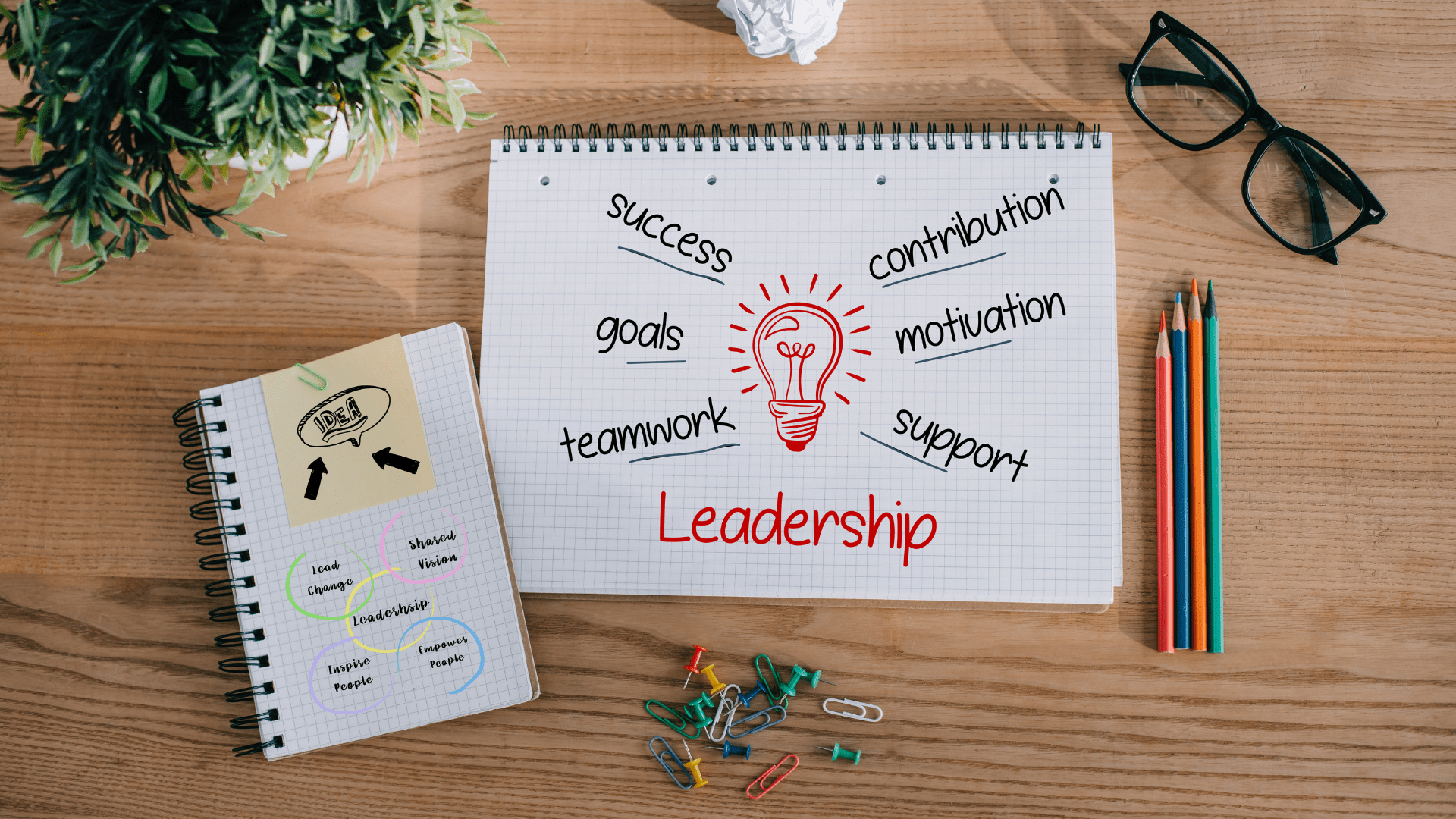
Another challenge that frequently emerges during the transition into management is the shift in identity that accompanies the role. Moving from individual contributor to leader requires a different mindset. Instead of focusing primarily on completing tasks themselves, managers must learn to enable the performance of others. This involves delegation, coaching and the willingness to step back from tasks that previously defined their professional identity. For many new managers, this shift can feel uncomfortable. Letting go of familiar work while developing confidence in leadership responsibilities takes time, reflection and support.
The quality of leadership that emerges from this transition often depends on whether managers are given the opportunity to develop these skills intentionally. Without guidance, many rely on observation and trial and error, learning from both successes and mistakes as they navigate complex people situations. While experience is undoubtedly valuable, relying on experience alone can prolong the learning curve and increase the risk of avoidable mistakes. When organisations provide structured opportunities for managers to reflect on their leadership approach, explore practical frameworks and learn from others facing similar challenges, the development of leadership capability becomes far more deliberate and effective.
Ultimately, the challenge of developing new managers reflects a broader question about how organisations view leadership itself. If leadership is seen primarily as a natural extension of individual performance, then promotion alone may appear sufficient preparation. But if leadership is understood as a distinct professional capability, one that influences organisational culture, employee experience and long-term performance, then the need for deliberate development becomes much clearer.
For businesses and leadership development, this distinction matters greatly. The effectiveness of organisations often depends less on individual expertise than on how well people work together under capable leadership. Strong management capability does not emerge automatically from promotion. It develops through reflection, learning and a deeper understanding of the human dynamics that underpin organisational performance.
These are precisely the themes explored in Nina Szewczak’s webinar masterclass: ‘The skills most new managers aren’t taught and why that matters’. The session examines the practical realities of stepping into management, focusing on the leadership capabilities that are often assumed but rarely taught. By exploring how managers navigate difficult conversations, manage former peers and balance delivery with people leadership, the discussion aims to bring greater clarity to what effective management actually requires.
In a workplace shaped by rapid technological change and evolving employee expectations, organisations increasingly depend on leaders who can combine operational capability with strong human judgement. The skills that underpin effective management, such as trust, communication, emotional intelligence and sound decision-making, remain among the most valuable capabilities organisations possess.
While many aspects of work continue to evolve, the central challenge of leadership remains remarkably consistent: enabling people to perform at their best, together, which has always been the true test of leadership.

Written by Nina Szewczak, CIPD Tutor, Assessor and Content Developer, Oxford Professional Education
Nina Szewczak is an experienced HR professional with 19 years in leadership, organisational development and learning. She teaches CIPD and CMI qualifications and holds an MSc in Human Resource Management, Chartered Manager status and a CIPD Advanced Diploma. Nina is passionate about developing inclusive, high-performing workplaces.